

Surgical Oncology

Professor & Head : Dr. Sudhir Nair
Overview
The Department of Surgical Oncology offers comprehensive care for cancer patients through both inpatient and outpatient services. We saw a rise in patient numbers, especially in Head and Neck and Breast Services. We also started Outpatient and Joint clinics for other specialties, such as GI, Colorectal, Gynec-Oncology, Urology, Plastic and Reconstructive Surgery, and Bone and Soft Tissue services. Correspondingly, we increased the operating room (ORs) capacity and now run 13 ORs per day. The new building (the Raja S Rao Shodhika) added more inpatient beds for Surgical Services. We also have a dedicated Outpatient facility (Shanthi Sadan) for all cancer patients.
Besides the main clinical services, we have dedicated paramedical services that are essential for any cancer hospitals. These include the speech and swallow therapy service, neurophysiological service and audiology service. Moreover, the GI services provide state-of-the-art clinical services, such as hyperthermic intraperitoneal chemotherapy (HIPEC), minimally invasive laparoscopic surgeries, advanced robotic surgeries and complex procedures like exenteration at very low costs for economically disadvantaged patients. Read More
Service
Despite disruption in service due OT renovation, more than 1500 major procedures have been performed in 2018. This included major surgeries in Breast (666), head and neck (326), GI (367), Urology (62), Paediatrics (23), and Gynaec-Oncology (70). The breast (6395) and head and neck (2467) had more than 8500 OPD consultations.
Research
The faculty members are involved in several DMG coordinated research projects. The division of neurosurgery in collaboration with the Department of Remote sensing and Robotics, BARC, Mumbai have developed a fully functional Neuro-Robotic Lab/OT setup at ACTREC. The division of Head and Neck is coordinating the multicentre AREST (Adjuvant Radiotherapy in Early-Stage Oral Cancer) study funded by the National Cancer Grid involving seven cancer centres across India. The 3D Modelling lab developed under the guidance of breast service has extended its service in designing and printing custom 3D models for surgical planning.
Education
Annually, the postgraduate training program at ACTREC sees over twenty-four surgical oncology postgraduate trainees, who gain exposure to a variety of clinical and academic activities. The department also conducts a regular teaching program, which features faculty lectures, resident doctors' presentations, case discussions, and journal club sessions every week. The Division of Plastic Surgery has set up an anatomy skills lab and organizes frequent workshops for microvascular training for young doctors. The Head and Neck Unit welcomes observers from both national and international levels. Moreover, the department is planning to organize workshops and conferences to disseminate knowledge to healthcare providers from different parts of the country. Read Less
Introduction :The Bone & Soft tissue unit, Department of Surgical Oncology at ACTREC treats patients with a wide variety of malignant (bone sarcomas) and benign bone tumors, soft tissue sarcomas and skin cancers of limbs. The surgical team of musculoskeletal oncology in collaboration with multi-disciplinary teams provide assessments, treatment planning and state of art surgical services to patients for optimising clinical outcomes and function. The department carries out clinical work, educational programs and research activities. The department is supported by
Service OfferedOPD: Friday 02:00 to 04:00 pm
IPD
Biopsy Biopsies include trucut biopsies and surgical open biopsy when indicated, to confirm accurate histopathological diagnosis. Facilities for image guided biopsies, whenever indicated are available in intervention radiology department.
Surgical procedures The bone and soft tissue unit treats a diverse group of bone & soft tissue sarcomas, as well as benign soft tissue and bone tumours and skin cancers of limbs. Our unparalleled experience in the multidisciplinary management of bone & soft tissue sarcomas and skin cancers and expertise in surgery allows us to develop and implement individualised treatment plans that provide the best long-term outcomes for each patient. Our surgeons specialise in complex, multi-team resections that incorporate surgeons from across the surgery division.
Surgical procedures for sarcomas include limb salvage surgery and amputation in rare cases. Limb Salvage Surgeries (LSS) means resecting these tumours while preserving the limbs. This implies resecting the tumours with wide margins in soft tissue sarcomas, and resecting the bone along with cuff of normal soft tissue for bone sarcomas. LSS has become the standard of care for patients with these tumours in last 2-3 decades. This was possible due to advances in diagnostic radiology, pathology, chemotherapy and radiation therapy, improvement in the surgical techniques, availability of microvascular tissue transfers and availability of modular mega-prosthesis. We also manage melanomas and squamous carcinomas of limbs and offers treatment like wide excisions, lymph node dissections and reconstruction of defects by our plastic surgery team.
Research Activity The ACTREC surgical oncology department focuses on providing exceptional patient care while conducting clinical research. We work to discover new surgical techniques to improve outcomes for patients.
Vision The vision is to deliver world-class patient care services in a comprehensive manner to every individual with an emphasis on Quality, Service excellence and Empathy. We are determined to deliver the healthcare that the citizens deserve. We continue to be the country's premier cancer centre and provide leadership in cancer care through:
- Service: Providing excellent service through evidence-based oncology practices
- Research: Conducting affordable, innovative, and relevant research
- Education: Educating students, trainees, professionals, employees, and the public about cancer.
Introduction :The Breast unit, at ACTREC manages patients with breast cancers at varous stages in collaboration with multi-disciplinary teams. The assessments, treatment planning and state of art surgical services are provided to patients for optimising clinical outcomes, cosmesis and function. The department carries out clinical work, educational programs and research activities.
Services offered:
OPD: Everyday between 9 am and 4 pm.
IPD
Imaging: Mammograms including contrast enhanced mammograms, ultrasonography, MRI, PET CT and image guided biopsy services are provided. Currently Contrast enhance mammograms are offered at TMH for the ACTREC patients.
Biopsy: Biopsies include trucut biopsies and surgical open biopsy when indicated, to confirm accurate histopathological diagnosis. Facilities for image guided biopsies, whenever indicated are available in intervention radiology department.
Surgical procedures: A full range of breast conservation surgeries, and radical breast removals with or without axillary sampling procedures (sentinel node biopsiy and axillary sample) as well as axillry clearence are offered to our patients. Various type of breast reconstruction procedures (some of them in conjunction with the plastic surgery team) are also offered to our patients. We have recently introduced new ways of implant based breast reconstruction after mastectomy using biological mesh and are in a process of introducing robotic breast surgery.
Research Activity: The ACTREC surgical oncology department focuses on providing exceptional patient care while conducting clinical research. We work to discover new surgical techniques to improve outcomes for patients.
Vision: The vision is to deliver world-class patient care services in a comprehensive manner to every
individual with an emphasis on Quality, Service excellence and Empathy. We are determined to
deliver the healthcare that the citizens deserve. We continue to be the country's premier cancer
centre and provide leadership in cancer care through:
- Service: Providing excellent service through evidence-based oncology practices
- Research: Conducting affordable, innovative, and relevant research
- Education: Educating students, trainees, professionals, employees, and the public about cancer
Introduction :
The Colorectal Surgical Oncology Unit at ACTREC, Tata Memorial Centre, provides comprehensive multidisciplinary care for the full spectrum of colorectal malignancies, ranging from early cancers suitable for organ-preserving treatment to locally advanced, recurrent and metastatic cancers requiring complex oncological surgery.
The unit follows a treatment philosophy centred on oncological safety, organ preservation, minimally invasive surgery and individualised multidisciplinary care.
Clinical Services
For early colorectal and rectal cancers, appropriately selected patients are offered organ-preserving approaches including endoscopic resection and transanal local excision, avoiding major surgery where oncologically safe.
In rectal cancer, response to neoadjuvant treatment is carefully assessed using clinical examination, endoscopy and high-quality imaging. Patients achieving an appropriate complete clinical response may be considered for a structured watch-and-wait or organ-preservation strategy with close surveillance. Where surgery is required, sphincter-preserving procedures are pursued whenever oncologically appropriate.
Laparoscopic and robotic surgery are routinely performed across the spectrum of colorectal cancer. Minimally invasive procedures include colectomies, total mesorectal excision, low and ultra-low anterior resections, intersphincteric resections, lateral pelvic lymph node dissection and selected extended pelvic resections. Robotic surgery is particularly valuable for complex procedures requiring precise dissection within the confined pelvis.
The unit has a major focus on the management of locally advanced and recurrent colorectal cancers. Patients are carefully evaluated for potentially curative surgery, including multivisceral resections and pelvic exenteration. Complex resections involving adjacent pelvic organs and structures are undertaken in collaboration with urological, plastic and reconstructive, vascular and other specialist surgical teams as required.
The unit also has an established program for peritoneal surface malignancy and colorectal peritoneal metastases. Appropriately selected patients are considered for cytoreductive surgery (CRS), hyperthermic intraperitoneal chemotherapy (HIPEC) and pressurised intraperitoneal aerosol chemotherapy (PIPAC). Selected patients with very advanced disease may undergo combined complex procedures, including pelvic exenteration with cytoreduction when oncologically appropriate.
All patients are managed through a multidisciplinary Disease Management Group involving surgical oncology, medical oncology, radiation oncology, radiology, pathology, gastroenterology and other specialties.
Research
Clinical research is an integral part of the Colorectal Surgical Oncology Unit. The unit has a substantial publication record focusing on clinically relevant problems in colorectal cancer.
Major areas of research include minimally invasive and robotic colorectal surgery, rectal cancer organ preservation, total neoadjuvant therapy, lateral pelvic lymph node disease, locally advanced and recurrent rectal cancer, pelvic exenteration, colorectal peritoneal metastases, cytoreductive surgery and HIPEC.
The unit has also contributed to research on minimally invasive and robotic pelvic exenteration, patient selection for advanced pelvic surgery, predictors of futile exenteration, watch-and-wait strategies, sphincter-preserving surgery and optimisation of treatment pathways for complex colorectal cancer
The research program is closely integrated with clinical practice, with an emphasis on generating evidence relevant to high-volume cancer centres and colorectal cancer care in India.
Education and Training
Education and specialist training are core activities of the unit.
The unit provides structured training to Surgical Oncology residents in multidisciplinary colorectal cancer management, operative decision-making, minimally invasive surgery and advanced oncological procedures
Advanced fellowship and focused training opportunities are provided in Colorectal Surgical Oncology, Minimally Invasive Colorectal Surgery, Robotic Colorectal Surgery, Cytoreductive Surgery and Peritoneal Surface Oncology, and Pelvic Exenteration and Advanced Pelvic Oncology.
Residents and fellows are actively involved in clinical research, scientific presentations, manuscript preparation and academic collaborations.
Outpatient Services
OPD Days:
Tuesday and Friday
Location: Shanti Sadan Building, ACTREC
General OPD: Room No. 112
Private OPD: Room No. 211
The unit aims to combine organ preservation and minimally invasive treatment for early cancers with advanced multidisciplinary surgery for complex disease, while continuing to advance research, innovation and specialist training in colorectal oncology.
Introduction
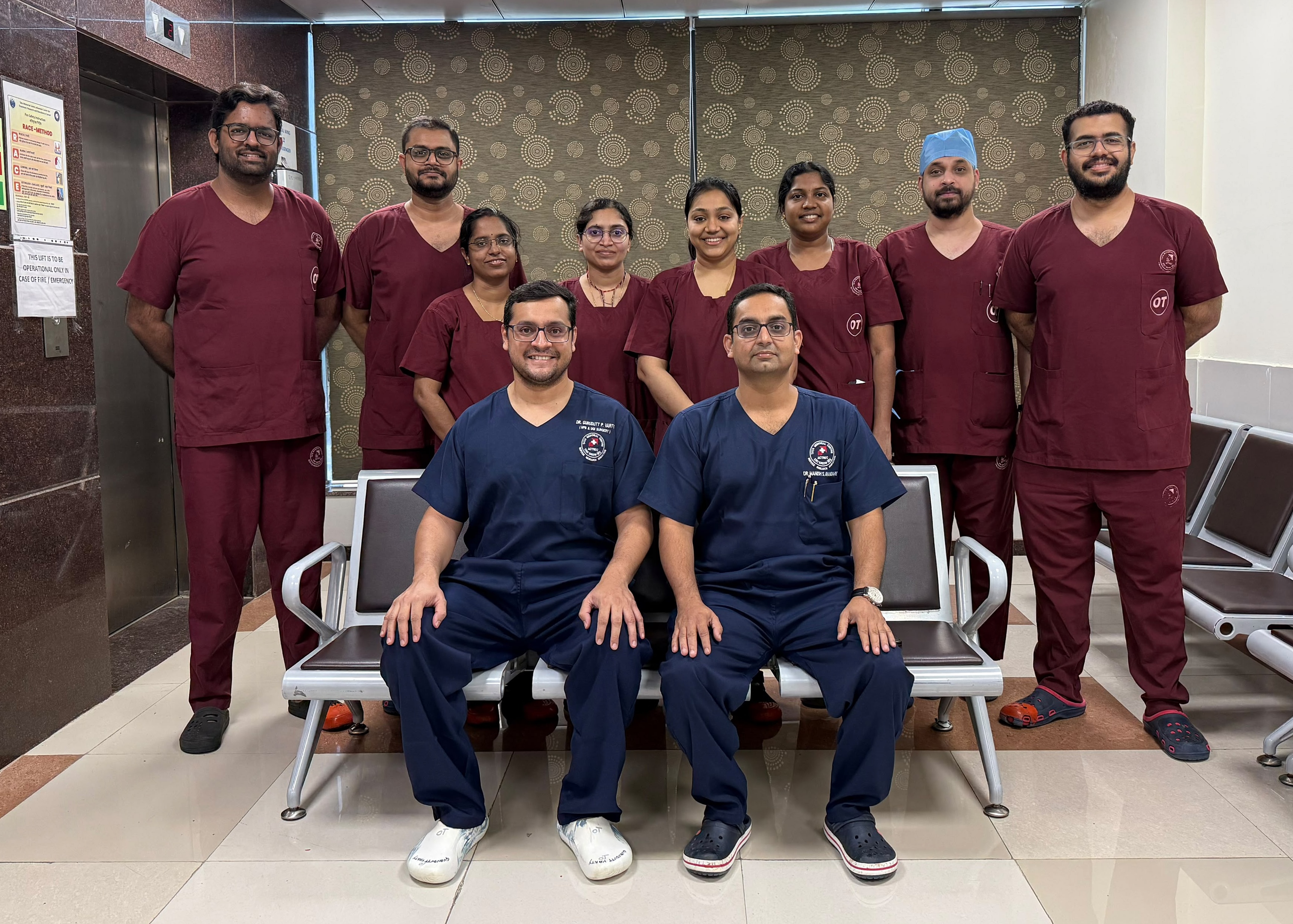
The Hepato-Pancreato-Biliary (HPB) & Upper Gastrointestinal (GI) Unit at ACTREC, Tata Memorial Centre, is a specialised tertiary care unit dedicated to the comprehensive management of complex tumours (benign and malignant) involving the liver, pancreas, biliary tract, gallbladder, stomach (including gastro-oesophageal junction tumors), and retroperitoneal sarcomas, along with Neuroendocrine tumours of the GI tract.
The unit is a regional centre of excellence, offering state-of-the-art GI cancer surgery supported by advanced peri-operative care and a strong multidisciplinary treatment philosophy. With expertise across open, laparoscopic, and robotic techniques – we perform standard, complex as well as high risk cancer surgeries while maintaining strict standards of safety and oncological outcomes.
Outpatient Services
We aim to provide a seamless and patient-centric experience, from the first consultation through long-term follow-up.
OPD Details:
Location: Shanti Sadan Block
- Private OPD: Room 214, 2nd Floor
- General OPD: Room 111, 1st Floor
Days & Time: Monday, Wednesday & Friday | 9:00 AM – 5:00 PM
Online registration is available through the ACTREC website, with facilities for direct physical registration at the OPD.
What to Expect During Your Visit:-
- Initial Consultation:
A detailed evaluation by a specialist surgeon, review of prior reports, and formulation of further investigations or management plans. Patients are encouraged to bring previous imaging (CT/MRI/PET) along with reports.
- Second Opinion Services:
Objective review of existing diagnoses and treatment strategies to support informed clinical decisions.
- Multidisciplinary Tumour Board:
All complex cases are discussed in a weekly tumour board (Wednesday) comprising surgical oncologists, medical oncologists, radiation oncologists, radiologists, gastroenterologists, and pathologists to formulate personalised treatment plans.
- Treatment Planning:
Treatment may include surgery (open or minimally invasive), systemic therapy, endoscopic procedures, or participation in clinical trials. Each plan is explained comprehensively to patients and families.
- Pre-Surgical Counselling & Coordination:
Detailed counselling regarding surgery, risks, recovery, and preparation with support from dedicated care coordinators.
- Long-Term Follow-Up:
Structured surveillance, nutritional guidance, recovery monitoring, and survivorship care aimed at improving long-term quality of life.
Scope of Surgical Services
The Unit offers treatment options across the spectrum of HPB and upper GI tumours.
Pancreatic & Periampullary cancers most commonly arises from the ducts of the pancreas or ampulla of vater.
Other pancreatic tumours that require surgery include Neuroendocrine Tumours, Cystic Neoplasms of the Pancreas (Serous, Mucinous, Intra-ductal Papillary Mucinous), Solid Pseudopapillary Epithelial Neoplasm (SPEN), etc.
Early stages may not cause symptoms, which is why the disease is often detected late.
Symptoms may include:
- Yellowing of eyes and skin (jaundice)
- Upper abdominal or back pain
- Loss of appetite and weight loss
- Pale stools and dark urine
- New-onset diabetes or worsening blood sugar control
- Fatigue and weakness
Not all patients experience all symptoms
Treatment depends on the stage of disease, tumour location, and overall fitness of the patient.
Surgery offers the best chance of cure when the cancer is confined to the pancreas or nearby structures and can be safely removed.
Some patients receive chemotherapy before surgery (neoadjuvant therapy) to shrink the tumour and improve surgical outcomes.
Surgery for Pancreatic Tumours
- Enucleation
- For single, small, non-malignant tumours like NET
- Pancreato-Duodenectomy (Whipple’s Procedure)
- For tumours in the head and periampullary region
- Distal Pancreatectomy
- For tumours in the body/tail of the pancreas
- Median/Central Pancreatectomy
- For benign/low grade malignant tumors of neck and body
- Total Pancreatectomy
- For extensive pancreatic involvement
- Extended pancreatectomies including Vascular Pancreatic resections for locally advanced pancreatic cancers (LAPCs).
A special focus of our unit is expanding the use of Robotic and Minimally Invasive platforms for Pancreatic Surgeries, and we routinely perform Robotic Pancreato-duodenectomy procedures every week.
Liver tumours may be:
- Primary liver cancers (arising from the liver itself), such as hepatocellular carcinoma (HCC)
- Secondary (metastatic) tumours, spread from other organs like the colon, stomach, or pancreas
- Benign tumours, which may still require surgery in selected cases
Some liver tumours cause no symptoms and are detected incidentally. When present, symptoms may include:
- Pain or heaviness in the right upper abdomen
- Loss of appetite and weight loss
- Fatigue
- Jaundice (yellowing of eyes and skin)
- Abdominal swelling (ascites)
- Fever or unexplained illness
Management depends on:
- Type of tumour
- Size and number of tumours
- Liver function
- Overall patient fitness
Surgery offers the best chance of long-term control or cure in suitable patients.
Surgical options for Liver resections
- Non-Anatomical Resection
- Isolated Wedge resections, Metastatectomy
- Minor Hepatectomy
- Anatomical removal of the specific segment of the liver containing the tumour.
- Major Hepatectomy
- Removal of multiple liver segments or entire Right/left lobe.
- Combined Procedures
- Surgery combined with ablation or bile duct reconstruction when needed.
The liver has a remarkable ability to regenerate after surgery. Minimal invasive surgery is offered in appropriately indicated cases.
Cancers may arise from:
- Gall bladder Adenocarcinoma
- Bile ducts (cholangiocarcinoma)
These cancers are often aggressive and may not cause symptoms in early stages.
Late symptoms may include:
- Yellowing of eyes and skin (jaundice)
- Pain in the right upper abdomen
- Fever or chills
- Loss of appetite and weight loss
- Itching
- Dark urine and pale stools
Some gall bladder cancers are detected incidentally after gall bladder removal for stones.
Treatment depends on:
- Site of the cancer
- Stage of disease
- Liver function and general fitness
Surgery offers the best chance of cure when the disease is detected early and is operable.
Some patients may receive chemotherapy before surgery to improve outcomes.
Surgery for Gall Bladder cancer
Depending on stage:
- Simple cholecystectomy (very early disease)
- Radical cholecystectomy including:
- Part of the liver
- Lymph node removal
- Bile duct resection (in selected cases)
- Revision cholecystectomy (incidental GB cancer)
Surgery for Bile Duct Cancer (Cholangiocarcinoma)
Extrahepatic Bile Duct Cancer
- Bile duct removal with reconstruction
- Liver resection if required
- Lymph node dissection
Hilar (Perihilar) Cholangiocarcinoma
- Major liver resection
- Bile duct resection and reconstruction
Intrahepatic Cholangiocarcinoma
- Liver resection similar to liver tumour surgery
Robotic Radical Cholecystectomy is offered in selected early stage gall bladder cancers.
Stomach cancer most commonly arises from the lining of the stomach and is called gastric adenocarcinoma. Other stomach tumours that require surgical excision include Stromal tumours (GIST) and NETs.
Stomach cancer may develop slowly and may not cause symptoms in the early stages.
Symptoms may include:
- Indigestion or heartburn
- Loss of appetite
- Unexplained weight loss
- Upper abdominal pain or discomfort
- Nausea or vomiting
- Feeling full after eating small amounts
- Black stools or vomiting blood (in advanced cases)
- Fatigue due to anemia
Many of these symptoms can also be caused by non-cancerous conditions.
Surgery is the main treatment with curative intent for stomach cancer.
Many patients receive chemotherapy before and after surgery (peri-operative chemotherapy) to improve outcomes.
A. Distal/Subtotal Gastrectomy
- Removal of the cancer-bearing part of the stomach
- Remaining stomach is joined to the intestine
B. Proximal Gastrectomy
- Removal of the proximal part of stomach
- Food passage is reconstructed by connecting the esophagus to the distal stomach or directly to the intestines
C. Total Gastrectomy
- Removal of the entire stomach
- Food passage is reconstructed by connecting the esophagus directly to the intestine
D. Cytoreductive Surgery and HIPEC
- Heated intraabdominal chemotherapy during surgery in select advanced gastric malignancy
Laparoscopic or Robotic surgery is an option in appropriately indicated cases.
Sarcomas are rare cancers that arise from connective tissues such as fat, muscle, or fibrous tissue. Retroperitoneal sarcomas often grow slowly and silently, becoming quite large before causing symptoms.
Common types include:
- Liposarcoma
- Leiomyosarcoma
- Undifferentiated pleomorphic sarcoma
Because of their deep location, symptoms may appear late and include:
- Abdominal fullness or swelling
- Abdominal or back pain
- Early satiety (feeling full quickly)
- Weight loss
- Leg swelling
- Urinary or bowel symptoms due to pressure on nearby organs
Surgery is the main and most important treatment for retroperitoneal sarcomas.
Surgery may be advised if:
- The tumour can be removed completely
- There is no widespread metastatic disease
- The patient is fit for major surgery
Because of the complexity, surgery is best performed in specialized sarcoma centers with a multidisciplinary team.
Retroperitoneal sarcoma surgery is often extensive and may involve:
- Removal of the tumour with a margin of surrounding tissue
- Removal of adjacent organs such as:
- Kidney
- Part of bowel
- Pancreas or spleen (in selected cases)
- Reconstruction of blood vessels if involved
The goal is complete tumour removal, as this offers the best chance of long-term control.
Resection of soft tissue sarcomas, compartmental resections, and vascular resections/reconstructions
Neuroendocrine tumours (NETs) arise from special cells that have features of both nerve cells and hormone-producing cells.
Gastro-entero-pancreatic (GEP-NETs) originate in:
- Stomach
- Small intestine
- Colon or rectum
- Pancreas
These tumours are often slow-growing, but some can behave aggressively.
Symptoms vary depending on tumour type and location and may include:
- Abdominal pain or fullness
- Diarrhea
- Flushing of face or body
- Weight loss
- Low blood sugar episodes
- Gastrointestinal bleeding
- Bowel obstruction
Many GEP-NETs are detected incidentally during imaging or endoscopy.
Treatment options include:
- Surgery
- Somatostatin analogues (hormone-controlling injections)
- Targeted therapy
- Chemotherapy (selected high-grade tumours)
- Peptide receptor radionuclide therapy (PRRT)
- Supportive (palliative) care
Surgery plays a key role and may be curative in localized disease.
Surgery may be advised if:
- The tumour can be completely removed
- Hormone-related symptoms need control
- There is limited spread that can be surgically addressed
- The patient is fit for surgery
Even in some patients with liver metastases, surgery may be beneficial.
Robotic & Laparoscopic (Minimally Invasive) Surgery
Minimally invasive surgery (MIS), encompassing laparoscopic and robotic approaches, represents a cornerstone of modern HPB and Upper GI cancer care. At ACTREC, the HPB & Upper GI Unit has extensive expertise in applying these advanced techniques for appropriately selected patients, without compromising oncological principles or patient safety.
The adoption of MIS in HPB oncology has transformed the surgical management of complex cancers involving the liver, pancreas, biliary tract, and stomach. When performed by experienced surgeons, minimally invasive approaches allow precise dissection, improved visualisation, and meticulous vascular control—even in technically demanding oncologic resections. For eligible patients, minimally invasive and robotic surgery offers several well-established advantages:
- Smaller incisions resulting in reduced postoperative pain and wound-related complications
- Faster recovery with earlier resumption of oral intake and mobilisation
- Shorter hospital stay, facilitating timely initiation of adjuvant therapy when indicated
- Earlier return to daily activities and work
- Improved cosmetic outcomes, which contribute positively to overall patient well-being
Importantly, these benefits are achieved while maintaining strict adherence to oncologic standards, including complete tumour clearance and adequate lymph node dissection.
Research, Education & Training
The HPB & Upper GI Unit is deeply committed to academic excellence and innovation.
Research
- Protocol-driven prospective and retrospective clinical research
- Development of evidence-based guidelines
- Participation in multi-centric national and international clinical trials
- Translational & Molecular research in HPB and Gastric Cancers
Education & Training
- MCh Surgical Oncology resident training program
- Accredited HPB & GI Oncosurgery Fellowships
- Weekly academic programs including tumour boards, journal clubs, CMEs, and case discussions
Our faculty actively publish in high-impact peer-reviewed journals, contributing meaningfully to global HPB and GI oncology literature.
Vision & Mission
“Precision. Compassion. Innovation. Redefining HPB & GI Cancer Care.”
Our vision is to deliver world-class, evidence-based, and compassionate care while setting benchmarks in minimally invasive HPB and GI oncology. Guided by scientific excellence, teamwork, continuous learning, and empathy, we strive to improve outcomes and quality of life for patients across India and beyond.
Faculty
- Dr. Manish S. Bhandare
MS, MCh (Surgical Oncology), PDF (GI & HPB Oncology)
Professor & Head - Dr. Gurudutt P. Varty
MS, DNB, MCh (Surgical Gastroenterology), PDF (GI & HPB Oncology)
Assistant Professor
Introduction :The Gynecological Oncology Service at Advanced Centre for Treatment, Research and Education in Cancer (ACTREC) is dedicated to the treatment of malignancies of the female reproductive tract. It shares a rich history and legacy being an integral part of Tata Memorial Centre. The Department is involved in high quality, protocol driven and evidence-based patient care. The services provided consist of dedicated gynecological oncological surgeons who work in collaboration with other specialists such as medical oncologists, radiation oncologists, radiologists and pathologists who are all specialized in gynecological oncology, to truly provide world class multi-disciplinary care to all sections of society. The department is also involved in training the next generation of gynecological oncologists in India through its much sought after MCh program.
Service Offered:
All types of gynecological oncological procedures are performed in the department, including preventive, diagnostic and therapeutic procedures. Pap smears, HPV DNA testing, Colposcopy, LEEP/LLETZ, office Pipelle endometrial biopsy, diagnostic and operative hysteroscopy to name a few. Advanced and radical surgeries such as cytoreductive surgeries, radical hysterectomy, pelvic exenteration and HIPEC(hyperthermic intraperitoneal chemotherapy) are performed regularly. Minimally invasive surgery, including laparoscopic and robotic surgery is frequently performed for gynecological cancers, where it is appropriate and feasible.
Outpatient clinics:
General OPD:
Tuesday and Thursday: 9.00 am – 5. 30pm
Private OPD:
Tuesday and Thursday: 9.00 am – 5. 30pm
Research/Important surgical publications:
- A Phase III Randomized Controlled Trial of Hyperthermic or Normothermic Intraperitoneal Chemotherapy versus No Intraperitoneal Chemotherapy during Interval Debulking Surgery in Patients with Advanced Epithelial Ovarian Cancer - HIPEC or NIPEC versus None: (ROHINI-N)
- Diagnostic performance of sentinel lymphnode mapping algorithm in early stage endometrial cancer
Published clinically impactful surgical studies:
- Gupta S, Maheshwari A, Parab P, Mahantshetty U, Hawaldar R, Sastri Chopra S, Kerkar R, Engineer R, Tongaonkar H, Ghosh J, Gulia S, Kumar N, Shylasree TS, Gawade R, Kembhavi Y, Gaikar M, Menon S, Thakur M, Shrivastava S, Badwe R. Neoadjuvant Chemotherapy Followed by Radical Surgery Versus Concomitant Chemotherapy and Radiotherapy in Patients With Stage IB2, IIA, or IIB Squamous Cervical Cancer: A Randomized Controlled Trial. J Clin Oncol. 2018 Jun 1;36(16):1548-1555. doi: 10.1200/JCO.2017.75.9985. Epub 2018 Feb 12. PMID: 29432076.
- Gulia S, Kannan S, Ghosh J, et al Secondary cytoreduction in platinum sensitive relapsed ovarian cancer: an individual patient level meta-analysis International Journal of Gynecologic Cancer Published Online First: 11 August 2023. doi: 10.1136/ijgc-2023-004342
Future vision:
The department aims to improve patient care further by employing state of the art technologies and inculcating best practices from around the world. The department aims to build a robust advanced gynaecologic oncological and minimally invasive surgery program, that benefits both patients and trainees. The department also aims to complete accrual and publish results of current ongoing important clinical trials and hopes to conduct clinically relevant and impactful research in the future. The department strives to improve the quality of the residency program, by focusing on skill acquisition and research methodology.
Introduction : Our Head & Neck Surgery Department is dedicated to provide specialized, individualized and compassionate care for patients with cancers affecting Head and Neck. We have an expert team of Surgeons, Radiation oncologists, Medical oncologists who work in close collaboration to provide the best treatment. The motto of our hospital and department is to enhance the cancer treatment through research and patient centred individualised treatment. We plan to integrate molecular markers, genetic profiling to customize treatment based on patients disease biology. The aim is to provide holistic care with focus on rehabilitation, psychosocial integration in society and improvement in quality of life.
Services offered: The key services include
- Dedicated OPDs for patients with joint clinics including surgical oncologists, radiation oncologists, medical oncologists, radiologists, and nuclear medicine departments.
- Minimally invasive surgeries using the da Vinci Xi surgical system, ensuring minimal scarring and early recovery.
- A specialized team of surgical oncologists for procedures such as oral commando surgery, thyroidectomy, and salivary gland surgery.
- Management begins with prehabilitation to prepare the patient for surgery, followed by the surgical process and post-treatment rehabilitation.
- Dedicated clinics for:
- Tobacco cessation
- Endocrine thyroid
- Skull base
Outpatient Clinics:
Monday - Friday
9:30 AM – 5:30 PM
Introduction :The neurosurgical services offer surgical treatment for complex brain and spinal cord tumors. The surgical team comprises 3 full time faculty and 2 specialist fellows, supported by surgical residents and other clinical as well as research support staff. In addition, the service also has a full-fledged IONM team. The faculty include
- Dr Aliasgar Moiyadi
- Dr Prakash Shetty
- Dr Vikas Singh
- Dr Parthiban Velayutham (IONM lead)
Services offered:
- The service caters to complex brain and spinal cord tumor patients offering state-of-the art surgical therapy as well as integrated comprehensive care under the umbrella of the Neuro-oncology DMG. The unit caters to both centres (TMH and ACTREC) and seamlessly manages the two sites to ensure optimal care to the patients.
- We also have a strong Intraoperative Neurophysiology (IONM) team catering not only to Neurosurgical patients, but also to head and Neck and Plastic surgical specialties.
- The service also trains fellows and many short term trainees/ observers. We also run a one year certificate course in IONM technology training.
Outpatient Clinics: Days/Time
Monday : 2- 4 pm
Research activities:
- One of the avenues of research is basic and translational work including biology of tumors (especially gliomas, meningiomas, and medulloblastomas) and we have active collaborations within (CRI) and outside (IIT-B) ACTREC.
- Another area of interest is intraoperative imaging techniques and advanced brain mapping.
- We also have a strong collaboration with BARC for developing an indigenous Neurosurgical robotic guidance system. The Neurosurgical Robotic lab at ACTREC is involved in the development and validation of this system.
- We are also running an academic PhD research programme under HBNI Health Sciences Scheme.
- As part of promoting the research activities, we are also conducting a periodic instructional course on Master class in Neurosurgical Oncology and IONM course in Neurosurgical Oncology every year.
Overview: The Pediatric Surgical Oncology Unit at ACTREC, Kharghar is dedicated to the surgical care of children with cancer. Our unit specializes in performing a wide spectrum of oncological surgeries in children, including solid tumors, vascular access procedures, ensuring comprehensive care from diagnosis to recovery. The unit provides state-of-the-art, multidisciplinary surgical care for children diagnosed with various cancers. We work in close coordination with pediatric medical oncologists, radiation oncologists, radiologists, pathologists, anesthetists, intensivists, and supportive care teams to ensure each child receives personalized and holistic treatment.
Our services include:
- Surgical management of all pediatric solid tumors (Wilms tumor, neuroblastoma, rhabdomyosarcoma, germ cell tumors, liver tumors, etc.)
- Placement of vascular access devices (PICC lines, ports, central venous catheters)
- Conducting weekly tumor boards and difficult tumor discussions to guide treatment planning
- Integration with support services such as pediatric ICU, physiotherapy, nutrition, psychosocial care, and genetics
OPD Timings
- Tuesdays and Thursdays: 10:00 AM – 5:00 PM
- Location:Pediatric Surgical Oncology OPD (112), ACTREC, Kharghar
- OPD Contact Number:+91-22-2740 5085, +91-22-2740 8681
Facilities & Strengths
- Multidisciplinary tumor board evaluations
- Surgical care tailored to the unique needs of pediatric patients
- Access to clinical trials, advanced imaging, and molecular diagnostics
- Access to state-of-the-art operation theaters and ICU facilities
- Participation in clinical trials and institutional tumor boards
- Support for economically weaker families
Collaborations & Training The Pediatric Surgical Oncology unit actively contributes to clinical training, research, and collaborative academic programs focused on improving outcomes in childhood cancers.
Introduction :At the Department of Plastic and Reconstructive Microsurgery, ACTREC, Tata Memorial Center, we are committed to providing advanced surgical solutions to improve the quality of life for our patients. Our expert team specialises in complex procedures for breast cancer, head and neck cancer, and sarcoma reconstruction, as well as comprehensive lymphedema management, secondary reconstruction, functional extremity restoration and facial reanima-tion procedures.
Breast Reconstruction
Reshaping the confidence
Breast reconstruction is a critical component of care for individuals undergoing resection in breast cancer management. Our team offers personalized treatment plans to help restore both appearance and function. We offer services including:
- Oncoplastic Surgery: Combining cancer surgery with plastic surgical techniques for optimal cosmetic outcomes.
- Autologous Tissue Reconstruction: Using your tissue from areas such as the abdo-men or back to reconstruct the breast.
- Implant-Based Reconstruction: Utilizing silicone or saline implants to rebuild the breast.
- LYMPHA(Lymphatic microsurgical preventive healing approach), lymphedema management with LVA (Lymphovenous anastomoses and VLNT (Vascularized lymph node trans-fers).
Our multidisciplinary approach ensures that each patient receives the best possible care tai-lored to their unique needs. We are commited to enhance the awareness for breast reconstruc-tion across India.
Head and Neck Reconstruction
Restoring function After Complex and large resections
Head and neck reconstructions are essential for patients who have undergone surgery for can-cer or traumatic injuries. Our specialists are adept in:
- Microvascular Free Flap Reconstruction: Using tissue from other parts of the body to reconstruct the head and neck area.
- Facial Reanimation Surgery: Restoring facial movements and expressions following nerve damage.
- Oral and Maxillofacial Reconstruction: Repairing defects and restoring function to the mouth, jaw, and facial structures.
Our goal is to restore functionality and aesthetics, helping patients regain their quality of life.
Sarcoma Reconstruction
Save the limbs
Sarcoma reconstruction involves advanced techniques to address defects resulting from the treatment of bone and soft tisssue sarcomas, which are rare cancers of the connective tissues. Our services include:
- Limb Salvage Surgery: Preserving the limb while removing the tumor and recon-structing the affected area.
- Complex Wound Closure: Utilizing local, regional, or free flaps to close large or complicated wounds.
- Rehabilitation and Follow-up Care: Ensuring optimal recovery and functionality post-surgery.
Our approach integrates surgical expertise with ongoing support to maximize recovery and quality of life.
Lymphedema Management
Innovative Solutions for Swelling Relief
Lymphedema is a condition characterized by swelling due to lymphatic system issues, often occurring after cancer treatments. We provide a range of management strategies, including:
- Complex Decongestive Therapy (CDT): Combining manual lymph drainage, com-pression therapy, and exercise.
- Surgical Interventions: Procedures like lymphatic venous anastomosis (LVA) or vas-cularized lymph node transfer to address severe cases.
- Education and Lifestyle Adjustments: Guiding patients on self-care practices to manage and reduce symptoms.
Our team works closely with patients to develop a tailored plan that addresses their specific needs and improves their quality of life.
Anatomy and Microsurgery Lab
Nurturing the hands
We have an anatomy/ microsurgery lab where we train microsurgery residents across India, regularly through workshops and conferences. The residents are trained on dry models(rubber gloves, silicone) and wet models(veins, rats) for microvascular surgeries.
Outpatient Clinics
Our outpatient clinics are designed to provide ongoing care and support to our patients. Ser-vices available include:
- Initial Consultations for diagnosis and treatment planning.
- Follow-up Appointments to monitor recovery and manage any complications.
- Pre-Operative and Post-Operative Care to ensure comprehensive treatment throughout the surgical process.
Days/Time
Our outpatient clinics are in the Shanti Sadan building. OPDs are open during the following hours:
- Tuesday: Private OPD (212) and General OPD (9A): 09:30 AM to 5:30 PM
- Friday: Private OPD (212) and General OPD (9A): 09:30 AM to 5:30 PM
Research Activity
At ACTREC, we are at the forefront of research in plastic, reconstructive, and microsurgery. Our research activities focus on:
- Innovative Surgical Techniques: Developing and refining new methods for recon-structive procedures.
- Patient Outcomes: Studying long-term outcomes and quality of life improvements following surgery.
- Lymphedema Therapies: Exploring advanced treatments and management strategies for lymphedema.
Vision
Our vision is to lead plastic and reconstructive microsurgery in oncology globally, with a spe-cific focus on India and the LMICs across the realms of service, training, education and re-search. We envision a future, where every patient receives the highest standard of care and the opportunity for a restored quality of life.
Moving forward, our department is committed to:
- Expanding Services: Introducing new reconstructive techniques and therapies to ad-dress emerging needs.
- Enhancing Patient Care: Focusing on personalized care plans and improving patient outcomes through ongoing research and innovation. We are committed to starting ro-botic services in our department.
- Training and Education: Developing future leaders in the field through advanced training programs and continuing education opportunities. We are about to start an in-ternational fellowship at our centre.
Introduction :The Uro-oncology Unit of the department of Surgical Oncology at ACTREC, specializes in the comprehensive management of patients with urological malignancies, including cancers of the prostate, bladder, kidney, testis, penis and adrenal glands. Our multidisciplinary team collaborates closely to provide thorough assessments, individualized treatment planning, and advanced surgical care. With a focus on achieving optimal oncological outcomes while preserving function and quality of life, we are committed to delivering holistic care through evidence-based practices.
Services Offered: Outpatient Services (OPD): Dedicated Uro-oncology OPD services are available every Wednesday and Friday from 9.30 am to 5.30 pm for consultations, treatment planning, and follow-up care. We cater to around to 350-400 patients every month across our general and private OPDs.
Surgical Procedures: The Uro-oncology Unit specializes in a broad spectrum of surgical procedures, encompassing
endourological, open, laparoscopic, and robotic-assisted approaches to deliver optimal oncological
and functional outcomes. The last year saw us perform more than 400 major and close to 250
minor surgeries in the last year.
Endourological procedures include Transurethral Resection of Bladder Tumor (TURBT) for
diagnosis and treatment of bladder tumors, as well as for upper tract malignancies and
Transurethral Resection of the Prostate (TURP).
Open surgical procedures include radical cystectomy with various forms of urinary diversions,
radical nephrectomy, partial nephrectomy, retroperitoneal lymph node dissection (RPLND) for
testicular cancer, penile surgeries and inguinal nodal dissection for penile cancer.
Laparoscopic and robotic-assisted surgeries form an integral part of our expertise, facilitating
precise tumor resection with minimal invasiveness, faster recovery, and improved patient
outcomes. These approaches are employed for procedures such as robotic radical prostatectomy,
robotic partial nephrectomy, and robotic radical cystectomy, ensuring the best possible balance
between cancer control and preservation of function.
Our team strives for functional preservation wherever feasible and incorporates advanced
techniques such as nerve-sparing surgery, intraoperative ultrasound guidance, and reconstructive
approaches to optimize post-operative recovery and long-term outcomes.
We also offer out-patient procedures in our minor operation theatre, including intravesical
administration of BCG and chemotherapy for bladder cancer, diagnostic cystoscopy and various
endourological interventions.
Research and Academic Activities: The unit actively engages in research to advance surgical techniques, evaluate emerging therapies, and improve treatment outcomes. Our team participates in clinical trials, translational research, and multidisciplinary studies to expand knowledge and improve uro-oncological care. In addition to research, the department is dedicated to education and training, conducting specialized programs for surgical residents, fellows, and healthcare professionals to foster skill development in uro-oncology care. By integrating research and education, the unit strives to set new benchmarks in uro-oncological care, ultimately benefiting patients across India and beyond.
Vision: Our vision is to deliver world-class uro-oncology care through a patient-centric approach that
emphasizes quality, excellence, and compassion. By integrating cutting-edge research, innovative
surgical techniques, and evidence-based practices, we strive to improve survival outcomes and
enhance the quality of life for every patient.
We remain committed to setting benchmarks in uro-oncology care across India and globally,
ensuring each patient receives personalized, comprehensive treatment through our unwavering
dedication to service, research, and education.
 | Dr. Sudhir Nair |
 | Dr. Poonam Joshi |
 | Dr Aliasgar v Moiyadi |
 | Dr Amar Deshpande |
 | Dr. Rohini Kulkarni |
 | Dr Dileep Ramesh Hoysal |
 | Dr. Arjun Singh |
 | Dr. Vineet Kumar |
 | Dr. Amandeep Arora |
 | Dr. Prakash Shetty |
 | Dr. PARTHIBAN K VELAYUTHAM |
 | Dr. Shalaka Joshi |
 | Dr. Avanish Saklani |
 | Dr. Vinay Kant Shankhdhar |
 | Dr.Mufaddal Kazi |
 | Dr.Rathan Shetty KS |
 | Dr. Manish S Bhandare |
 | Dr. Ashwin deSouza |
 | Dr. Manish Pruthi |